
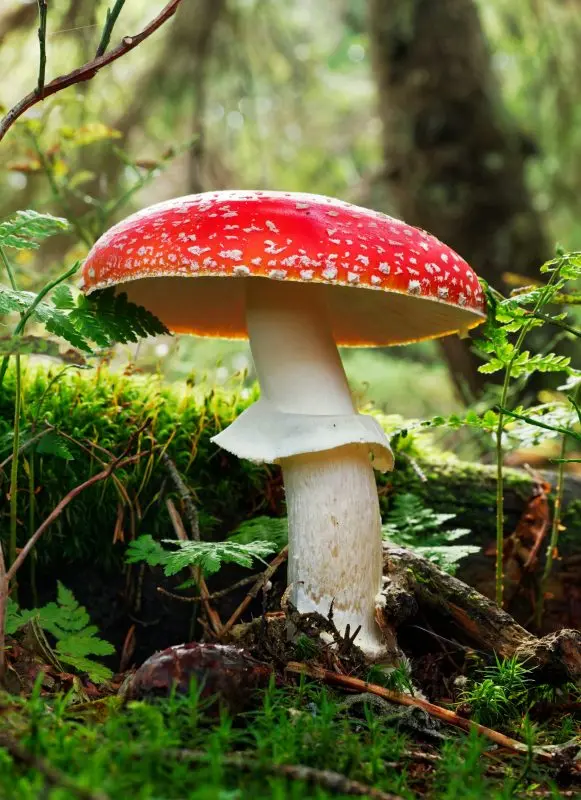
Amanita mushrooms are sold by many online shops, and quality varies a lot. Before you order, check these seven points.
1. A clear species name
The product should name the species in Latin — Amanita muscaria, Amanita pantherina or Amanita regalis. They are different mushrooms and should never be sold as interchangeable.
2. Origin
Look for a stated origin. Wild Baltic fly agaric, for example, is collected in Lithuanian and Latvian forests. “Unknown origin” is a red flag.
3. Grade and appearance
For whole caps, a grade tells you what to expect: unopened (Premium+), whole (Grade A) or broken (Grade B). Grades explained.
4. Proper drying
Well-dried caps are dry and light, not leathery or damp, and keep their colour. Damp caps can go mouldy.
5. Packaging and labelling
A sealed bag with species and weight on the label.
6. Shipping and payment
Check delivery times to your country, tracking and the payment options. At EU Amanita: tracked shipping from Latvia, free over €100, payment by SEPA transfer or crypto. Shipping & payment.
7. Your local rules
Laws on Amanita differ by country and change over time. Some countries restrict or prohibit them. Always check the rules of your destination before ordering.
Amanita species are poisonous. Reputable sellers do not give consumption or dosage instructions.